Does your car feel perfectly fine at low speeds but starts to vibrate once you hit 80–100 km/h?
This is a very common issue among drivers. Many assume it’s just road conditions, but in reality, speed-specific vibration usually indicates an underlying mechanical problem.
The key detail here is:
If vibration only happens at certain speeds, there is likely an imbalance or component issue that becomes noticeable under specific conditions.
In this guide, TT Motorsport explains why your car vibrates only at certain speeds, what causes it, and how to fix it properly.
Is It Safe to Ignore Speed-Specific Vibrations?
Not really.
Even if the vibration seems minor, it can lead to:
- Uneven tyre wear
- Reduced driving comfort
- Steering instability
- Increased stress on suspension components
Over time, the problem usually gets worse, not better.
Common Causes of Vibration at Certain Speeds
1. Wheel Imbalance (Most Common Cause)
This is the number one reason for vibration at specific speeds.
When wheels are slightly unbalanced, the effect becomes more noticeable as speed increases.
Symptoms:
- Vibration starts around 80–100 km/h
- Steering wheel shakes
- Vibration disappears at lower speeds
Solution:
Wheel balancing, a quick and affordable fix.
2. Wheel Alignment Issues
Incorrect alignment causes uneven tyre contact with the road.
Symptoms:
- Car pulls to one side
- Uneven tyre wear
- Steering feels off-center
Solution:
Professional wheel alignment to restore proper geometry.
3. Tyre Damage or Uneven Wear
Tyres with flat spots, bulges, or uneven wear can cause vibration only at certain speeds.
Symptoms:
- Rhythmic vibration
- Noise increases with speed
- Visible tyre wear patterns
Solution:
Tyre inspection and replacement if necessary.
4. Worn Suspension Components
Suspension parts help absorb road impact and stabilize the vehicle.
When worn, they may allow vibrations to pass through the chassis.
Symptoms:
- Vibration over bumps
- Poor ride comfort
- Clunking sounds
Solution:
Replace worn components such as bushings or shock absorbers.
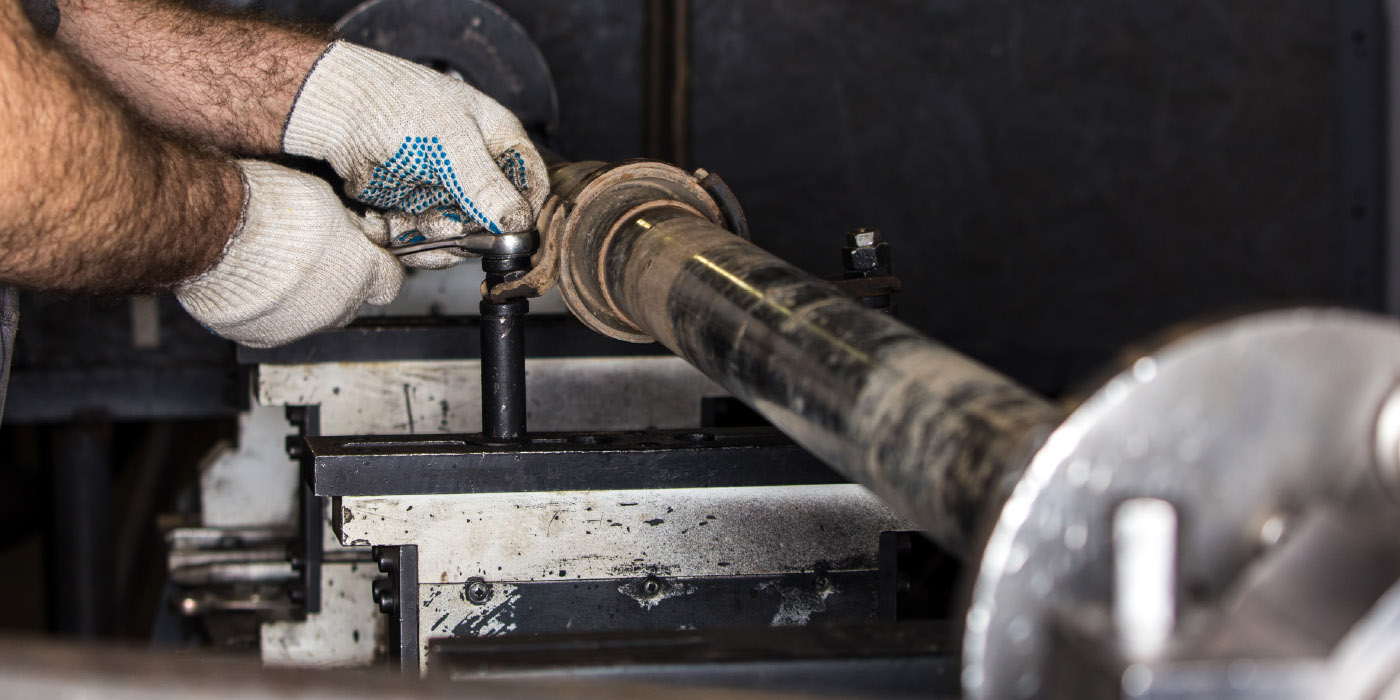
5. Driveshaft or CV Joint Imbalance
In front-wheel or all-wheel drive vehicles, drivetrain imbalance can cause speed-specific vibration.
Symptoms:
- Vibration during acceleration
- Clicking noise when turning
- Shaking at mid to high speeds
Solution:
Inspection and replacement of faulty drivetrain components.
6. Warped Brake Discs
Although usually felt during braking, slightly warped discs can also cause vibration at certain speeds.
Symptoms:
- Steering wheel shakes when braking
- Pulsating brake pedal
Solution:
Brake disc resurfacing or replacement.
7. Engine or Transmission Mount Wear
Mounts help stabilize engine movement.
When worn, they may cause vibration under specific load or speed conditions.
Symptoms:
- Vibration during acceleration
- Thumping during gear shifts
Solution:
Replace worn mounts.
How to Prevent Speed-Specific Vibrations
- Balance tyres regularly
- Rotate tyres periodically
- Avoid potholes and kerbs
- Service suspension components on time
- Check tyres for wear and damage
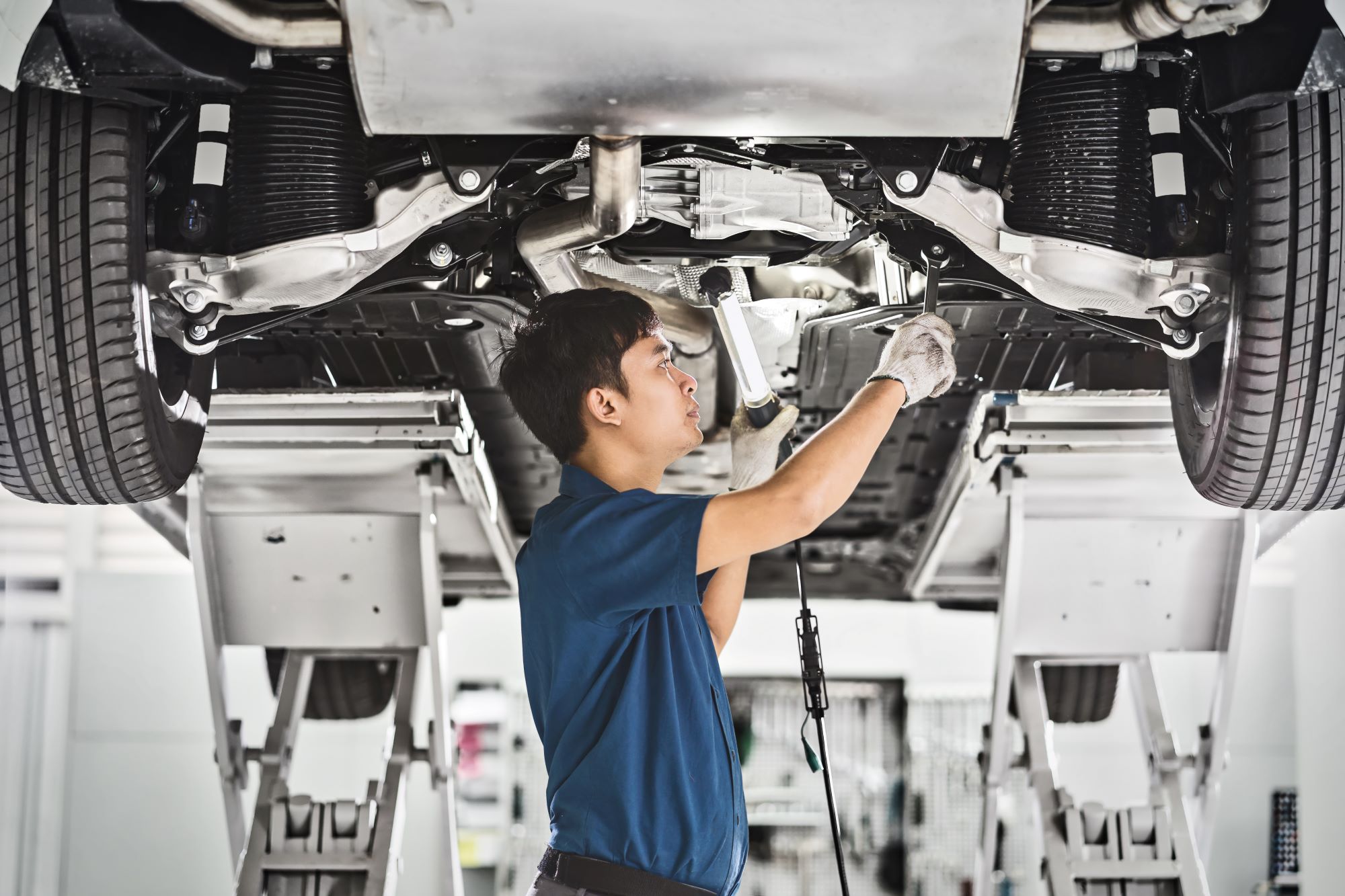
Professional Diagnosis at TT Motorsport
At TT Motorsport, we take a systematic approach to vibration issues:
- Road testing at different speeds
- Wheel and tyre inspection
- Alignment and balancing check
- Suspension and drivetrain assessment
We ensure the actual root cause is identified, not guessed.
Contact Us: https://ttmotorsport.sg/