If you hear a knocking, tapping, or pinging sound coming from your engine, don’t ignore it.
Engine knocking is often a sign that something inside your engine isn’t working properly. While some causes are minor, others can lead to severe engine damage or complete failure if left unchecked.
In this guide, TT Motorsport explains what engine knocking means, the common causes, and most importantly, when you should stop driving immediately.
What Does Engine Knocking Sound Like?
Drivers commonly describe it as:
- A metallic “knock knock” sound
- Ticking or tapping noise
- Pinging during acceleration
It may be:
- Louder when accelerating
- More noticeable under load
- Constant or intermittent
Different sounds can point to different issues, but none should be ignored.
Common Causes of Engine Knocking
1. Low-Quality or Wrong Fuel
Using fuel with the wrong octane rating can cause premature combustion, also known as engine knocking or pinging.
Signs:
- Knocking during acceleration
- Reduced engine performance
Fix:
Use the correct fuel recommended by your vehicle manufacturer.
2. Carbon Build-Up in Engine
Over time, carbon deposits can accumulate inside the combustion chamber.
This can:
- Increase compression
- Cause uneven combustion
- Lead to knocking sounds
Fix:
Engine cleaning or decarbonisation service.
3. Low or Degraded Engine Oil
Engine oil reduces friction between moving parts.
If oil level is low or oil quality is poor:
- Components may rub together
- Knocking or tapping sounds may occur
Fix:
Check and replace engine oil immediately.
4. Worn Engine Components
Internal parts such as:
- Bearings
- Pistons
- Connecting rods
can wear out over time.
This leads to deep knocking sounds, often more serious.
Fix:
Professional inspection may require engine repair.
5. Faulty Ignition Timing
If ignition timing is off, fuel may ignite too early or too late.
This can cause:
- Knocking or pinging
- Reduced efficiency
Fix:
ECU diagnostics and recalibration.
6. Faulty Knock Sensor
Modern cars use a knock sensor to detect abnormal combustion.
If the sensor fails:
- The engine cannot adjust properly
- Knocking may worsen
Fix:
Sensor replacement.
When Should You Stop Driving Immediately?
Some knocking sounds are mild — but others are serious.
Stop driving immediately if you notice:
- Loud, continuous knocking
- Knocking that gets worse when accelerating
- Loss of engine power
- Smoke from the exhaust
- Warning lights on dashboard
Continuing to drive in these conditions can cause:
- Engine seizure
- Internal component failure
- Extremely costly repairs
What Happens If You Ignore Engine Knocking?
Ignoring engine knocking can lead to:
- Severe engine wear
- Piston or bearing damage
- Overheating
- Complete engine failure
Repair costs can escalate from a few hundred dollars to several thousand dollars if not addressed early.
How We Diagnose Engine Knocking at TT Motorsport
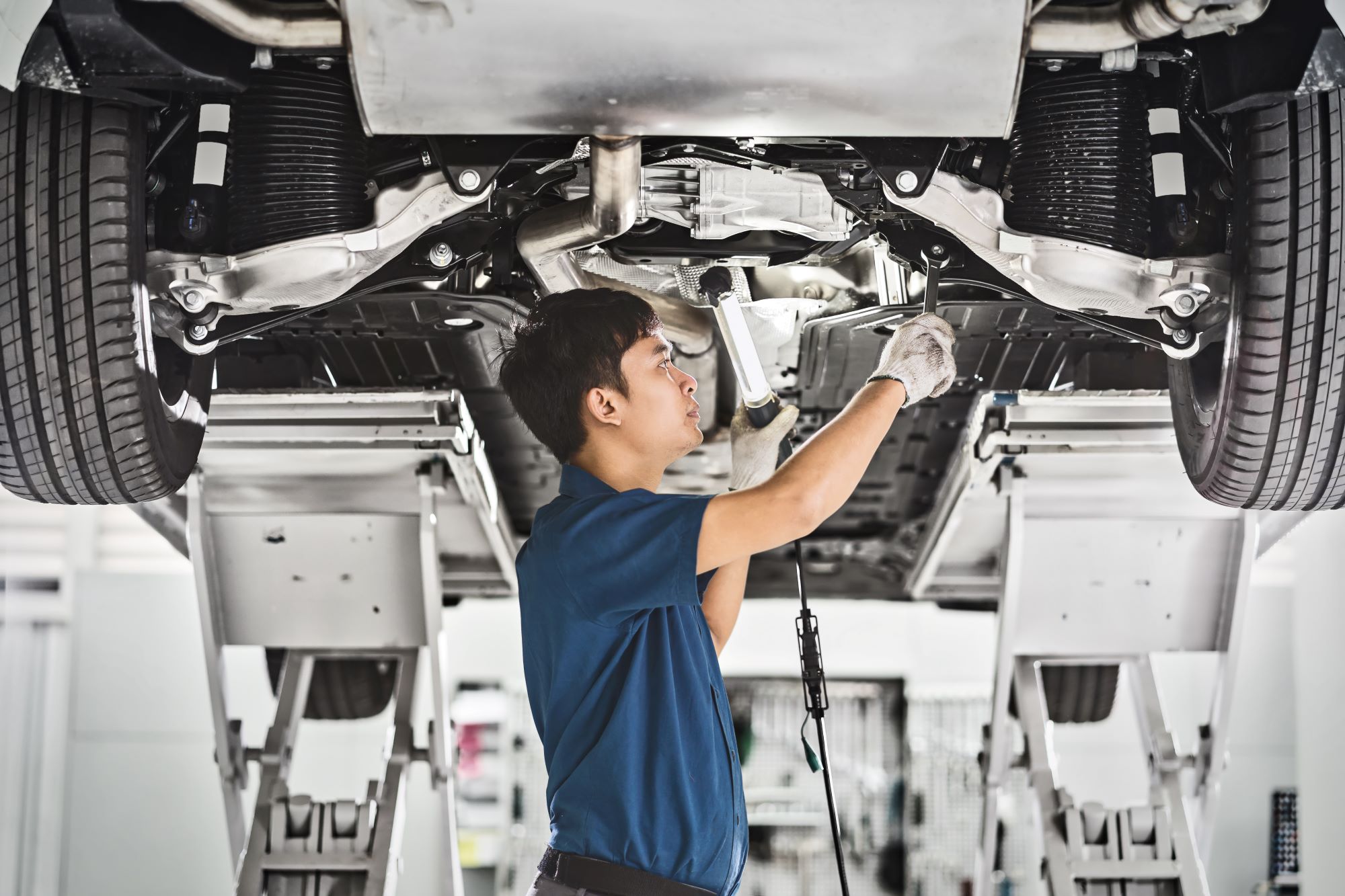
At TT Motorsport, we use a systematic approach:
- Engine diagnostic scan
- Oil condition and level check
- Fuel system inspection
- Ignition and timing analysis
- Internal engine assessment (if needed)
We focus on accurate diagnosis, not guesswork.
How to Prevent Engine Knocking
- Use the correct fuel grade
- Service your engine regularly
- Replace engine oil on time
- Address warning signs early
- Avoid aggressive driving when issues are present
Preventive care keeps your engine running smoothly and quietly.
Why Choose TT Motorsport?
✔ Experienced technicians
✔ Accurate diagnostics
✔ Transparent recommendations
✔ No unnecessary repairs
We ensure your engine is not just repaired but properly protected.
Contact Us: https://ttmotorsport.sg/